


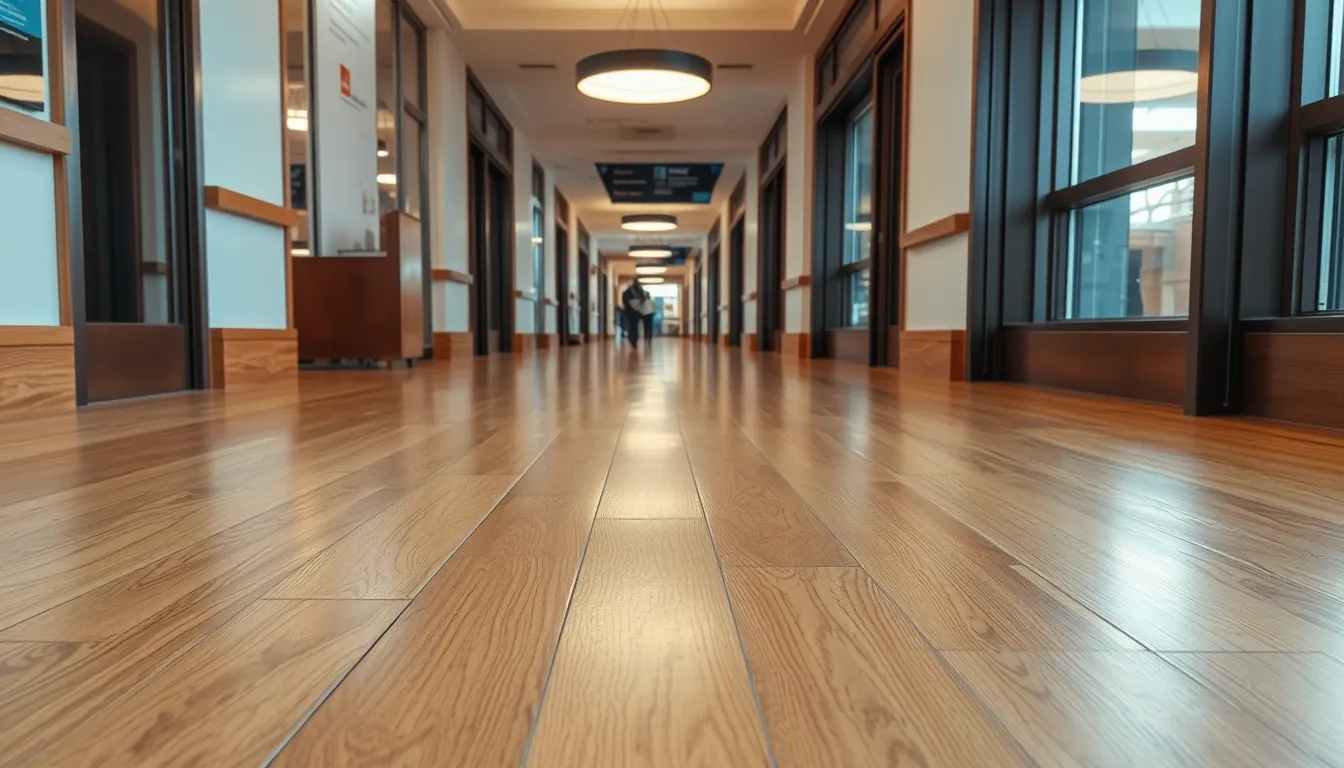
Learn how to pick durable, low‑maintenance flooring that withstands heavy foot traffic while staying on budget.
If you’re a homeowner, property manager, or designer facing a space that sees constant foot traffic, this guide is for you. It cuts through the jargon and shows exactly how to Choose Flooring for High‑Traffic Areas by starting with the traffic load and environmental conditions that drive performance.
You’ll walk through a step‑by‑step framework that translates wear rating, abrasion resistance, and moisture resistance into concrete material choices, then weighs underlayment needs and life‑cycle cost against aesthetics and upkeep. The result is a confident decision that balances longevity, look, and budget without guesswork.
Assess traffic patterns and environmental factors
Start by walking the space and observing how people move through it. Identify zones where foot traffic concentrates—entrances, aisles, service corridors, and gathering spots. Sketch a simple map or use a floor‑plan overlay to label each zone as light, moderate, or heavy traffic. Light zones see occasional steps (e.g., a private office), moderate zones handle regular flow (e.g., a hallway), and heavy zones endure constant movement (e.g., a retail storefront or kitchen work area).
- Light traffic: fewer than 500 passes per day; wear is minimal.
- Moderate traffic: several hundred to a few thousand passes; noticeable wear over years.
- Heavy traffic: thousands of passes daily; rapid abrasion and compression.
Next, assess environmental factors that interact with traffic load. Note any sources of moisture such as spills, humidity, or proximity to sinks; moisture can accelerate swelling or mold growth in certain substrates. Record temperature fluctuations—areas near windows or heating vents may experience expansion‑contraction cycles that affect adhesion and surface stability.
Finally, examine the subfloor condition. A solid, level subfloor with good moisture barrier supports most high‑traffic materials, while uneven or damp subfloors may require additional underlayment or a different product altogether. By documenting traffic load, footfall patterns, moisture exposure, temperature swings, and subfloor health, you create a clear baseline that informs the next steps in how to choose flooring for high‑traffic areas and ensures the final selection meets both performance and durability expectations.
Understand durability metrics and performance ratings
Decoding durability metrics turns the abstract into actionable data, letting you answer the core question of how to Choose Flooring for High‑Traffic Areas without guesswork.
Wear rating systems (AC, R, etc.)
Floor manufacturers use standardized wear ratings to express abrasion resistance. The most common are:
- AC rating (Abrasion Class) – ranges from AC1 (light residential) to AC5 (heavy commercial). Higher numbers indicate greater ability to withstand foot traffic and moving furniture.
- R rating (Residential/Commercial) – typically R9 through R12, where R12 is suited for the most demanding commercial settings.
- P‑rating (Performance) – used for resilient flooring such as luxury vinyl; P0 is basic, while P5 denotes the highest wear resistance.
These numbers are derived from laboratory abrasion tests and give a quick way to compare products against your documented traffic load.
Impact and compression resistance
Impact resistance measures how well a surface absorbs sudden forces, such as dropped objects or heavy carts. Compression resistance evaluates the floor’s ability to support static loads without permanent indentation. Both are expressed through test results (e.g., ASTM impact or compression standards) and are especially important for areas with rolling equipment or concentrated weight.
Moisture resistance is usually reported as “water‑resistant,” “water‑proof,” or by indicating a built‑in moisture barrier. Some products list a permeability rating, showing how much vapor can pass through the material. Choose a rating that matches the moisture exposure identified in your earlier assessment.
Match material options to durability and maintenance needs
Hardwood and engineered wood
Solid hardwood offers a high wear rating when finished with a thick, polyurethane‑based coating. It tolerates scratches and dents better than softer woods, but prolonged exposure to moisture can cause cupping or warping. Maintenance involves regular sweeping, occasional damp‑mopping with a wood‑safe cleaner, and periodic recoating to restore the wear layer. Common failure points are water‑related swelling, surface scratches that exceed the coating’s abrasion resistance, and edge dents from heavy furniture.
Luxury vinyl and sheet vinyl
Luxury vinyl (LVT) and sheet vinyl combine strong abrasion‑resistant wear layers with built‑in moisture barriers, making them ideal for wet or high‑traffic zones. Routine care is simple: sweep or vacuum, then use a mild vinyl cleaner. They resist dents and scratches, but sharp objects can puncture the surface, and prolonged UV exposure may cause fading. Failure typically appears as surface gouges or delamination at seams if the underlayment is inadequately prepared.
Tile and stone
Ceramic, porcelain, and natural stone tiles provide excellent abrasion resistance and are inherently moisture‑proof. Grout lines, however, require sealing and periodic cleaning to prevent staining and mold. Maintenance includes sweeping, mopping with a pH‑neutral cleaner, and resealing grout every few years. Cracking from heavy impact, grout erosion, and slip hazards on polished finishes are the most common issues.
Carpet and resilient rubber
Carpet offers comfort and sound dampening but has lower wear ratings; look for high‑density fibers and a robust backing for better durability. Routine vacuuming and spot cleaning are essential; deep cleaning with a hot‑water extractor extends life. Failure often shows as crushing of fibers in high‑traffic zones, staining, and moisture‑related mold if the backing is not moisture‑resistant. Resilient rubber flooring, used in gyms or industrial corridors, resists impact and chemicals, requires only sweeping and occasional mopping, and rarely fails except through surface scuffing or adhesive breakdown at edges.
Integrate aesthetics without compromising performance
When you answer how to choose flooring for high‑traffic areas you can still make a visual statement. Start with a color palette that leans toward medium‑tone neutrals or muted earth shades; these hues disguise surface scuffs that inevitably appear under a heavy traffic load. If the space receives strong natural light, cooler tones stay vibrant, while darker rooms benefit from warm undertones that add depth without magnifying wear.
Pattern scale matters for abrasion resistance. Large‑format tiles, broad‑plank vinyl, or wide‑strip hardwood create fewer visible seams, so any loss of edge integrity blends into the overall design. Conversely, small‑scale geometric prints can mask localized dents in carpet or rubber, but be sure the pattern does not compromise slip resistance—high‑contrast borders should be avoided on wet‑prone zones.
Texture is your ally for safety and durability. A lightly embossed surface on luxury vinyl or a matte finish on stone provides the tactile cue for slip resistance while preserving the material’s wear rating. For wood, a hand‑scraped finish adds character and hides minor scratches without sacrificing abrasion resistance.
Consider lighting when selecting finish sheen. High‑gloss surfaces reflect more light, making a room feel larger, yet they reveal scratches sooner. Satin or low‑gloss finishes strike a balance, supporting moisture resistance and extending life‑cycle cost.
Finally, pair the chosen surface with an appropriate underlayment. A moisture‑resistant, acoustic underlay can protect the substrate, reduce noise transmission, and prolong the flooring’s performance, keeping the aesthetic appeal intact for years.
Plan budgeting, installation, and long‑term care
After you have selected the surface and underlayment, the next step in how to choose flooring for high‑traffic areas is to map out the budget, installation approach, and ongoing care plan. Understanding the three main cost drivers—material, underlayment, and labor—prevents surprises once the project is underway.
- Material cost: high‑wear options such as commercial‑grade vinyl, porcelain tile, or engineered hardwood carry a higher unit price but often offset future replacement expenses.
- Underlayment: a moisture‑resistant, acoustic layer adds to material cost but protects the substrate and can improve durability, especially on concrete slabs.
- Labor: installation method (floating, glue‑down, or nail‑down) influences labor hours. Glue‑down and nail‑down typically require more skill and time, raising labor rates.
Installation technique directly affects long‑term performance. A properly prepared subfloor and the correct adhesive or fastening system ensure uniform load distribution, reducing the risk of gaps, cupping, or premature wear. When possible, choose installers who follow the manufacturer’s recommended procedures; this is often a warranty condition.
Warranty terms should be reviewed before signing. Look for coverage that includes both wear rating thresholds and moisture resistance, and note any maintenance requirements that must be met to keep the warranty valid.
A simple maintenance schedule can stretch life‑cycle cost efficiency:
- Daily: sweep or vacuum to remove grit that can cause abrasion.
- Weekly: mop with a pH‑neutral cleaner appropriate for the surface.
- Quarterly: inspect seams, edges, and underlayment for signs of moisture intrusion.
- Annually: reseal or recoat (if applicable) according to the product guide.
By aligning cost drivers, installation best practices, warranty safeguards, and a realistic care routine, you create a financially sound plan that preserves both appearance and performance for years to come.